Keratosis Pilaris
Supporting Smoother, Healthier and More Comfortable Skin
Keratosis Pilaris (KP), often referred to as “chicken skin,” is an extremely common and harmless skin condition that affects many people of all ages. It commonly appears as small rough bumps on the skin, often accompanied by dryness, redness and uneven texture.
Although medically harmless, Keratosis Pilaris can affect confidence and comfort, particularly when the skin feels persistently rough, dry or visibly uneven. Many individuals feel self-conscious about exposing areas such as the arms, thighs or buttocks, especially during warmer months. At The Qlinic, we understand how frustrating and sometimes embarrassing this condition can feel for some people — but you do not simply have to “put up with it.” With the right professional treatments, skincare and ongoing skin support, symptoms can often be managed very effectively.
Our treatments focus on improving overall skin health, smoothing rough texture and supporting long-term hydration and skin barrier repair in a safe, gentle and personalised way.
What Causes Keratosis Pilaris?
The exact cause of Keratosis Pilaris is not fully understood, but it is believed to be linked to genetics and skin barrier function.
Factors that may contribute to KP include:
Dry skin
Genetics and family history
Hormonal changes
Eczema or sensitive skin conditions
Seasonal weather changes
Impaired skin barrier function
The rough texture occurs when excess keratin blocks the hair follicles, creating the characteristic small bumps and uneven skin feel.
Sunlight, Skin Health and Keratosis Pilaris
Some individuals notice a temporary improvement in Keratosis Pilaris during sunnier months, as moderate sunlight can sometimes help reduce dryness and improve the appearance of the skin. However, excessive or unprotected sun exposure may also contribute to dehydration, pigmentation and premature skin ageing.
For this reason, daily use of a broad-spectrum SPF is strongly recommended to help protect overall skin health whilst safely managing the condition. Supporting the skin barrier and maintaining consistent hydration remain essential parts of long-term skin management.
Treatments for Keratosis Pilaris
Depending on the severity of your symptoms and skin sensitivity, treatment options may include:
Microdermabrasion
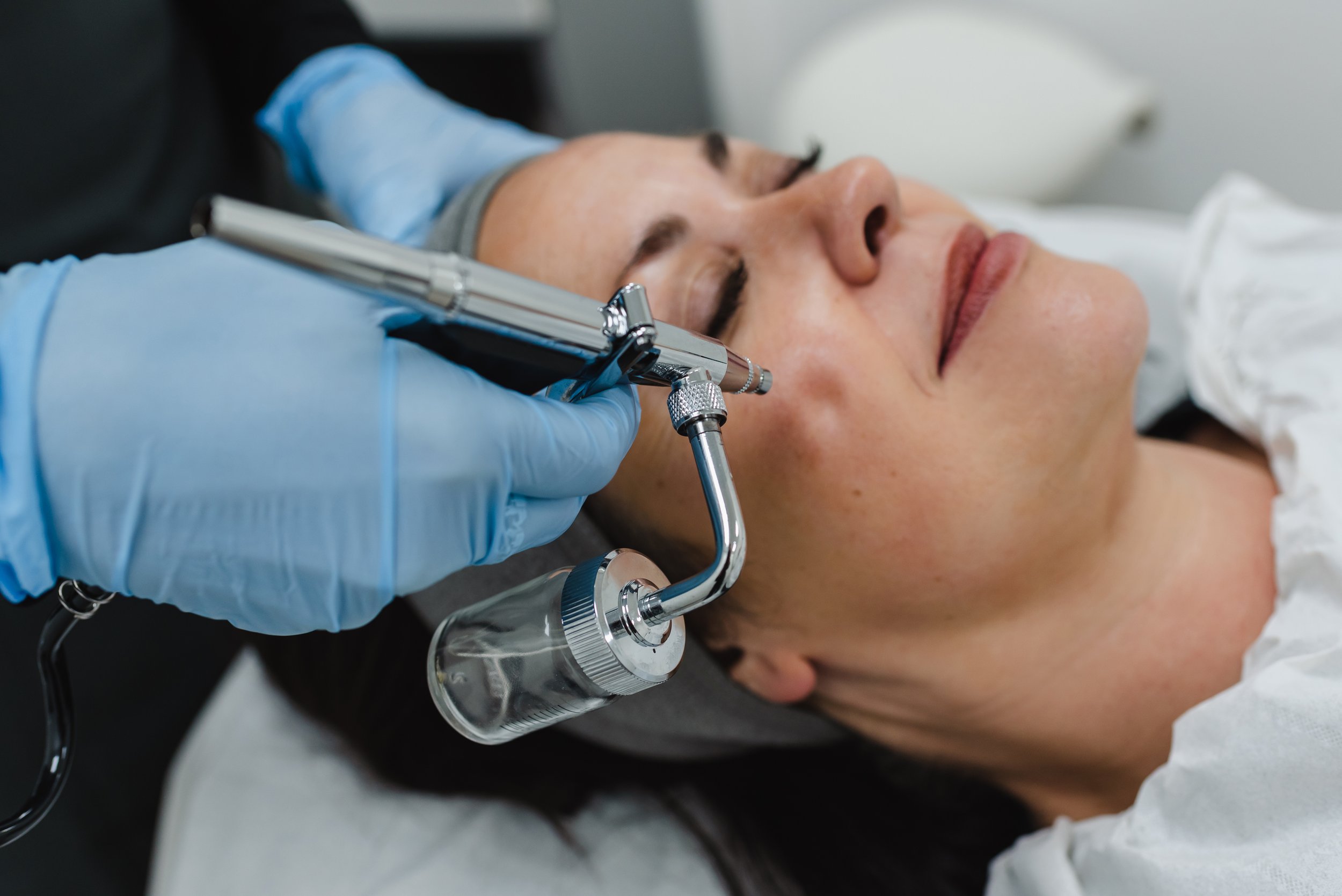
Hydr02 Facial
Hydrating Skin Treatments
Skin Barrier Repair Treatments
A personalised consultation will allow us to determine the most appropriate treatment plan tailored specifically to your skin concerns and goals.
Managing Keratosis Pilaris often requires a long-term and consistent approach to skincare…Consistency is Key.

What Is Keratosis Pilaris?
Keratosis Pilaris occurs when a protein called keratin builds up within the hair follicles, causing small blocked bumps to form on the surface of the skin.
KP is extremely common, affecting approximately 50–80% of adolescents and many adults to varying degrees. It most commonly develops on the:
Upper arms
Thighs
Buttocks
Cheeks
The condition is not contagious and does not pose any danger to health, but symptoms may fluctuate over time and can sometimes worsen during colder months or periods of skin dryness.
Our Approach to Keratosis Pilaris
At The Qlinic, we take a gentle and supportive approach to treating Keratosis Pilaris.
Although there is currently no permanent cure for KP, symptoms can often be managed very effectively with the right combination of professional treatments, consistent skincare and skin barrier support.
Our treatment plans focus on:
Smoothing rough skin texture
Improving hydration levels
Supporting healthy skin renewal
Reducing associated redness
Strengthening the skin barrier
Improving overall skin comfort and appearance
Because KP-prone skin can also be sensitive, we focus on improving skin health gradually whilst minimising unnecessary irritation.