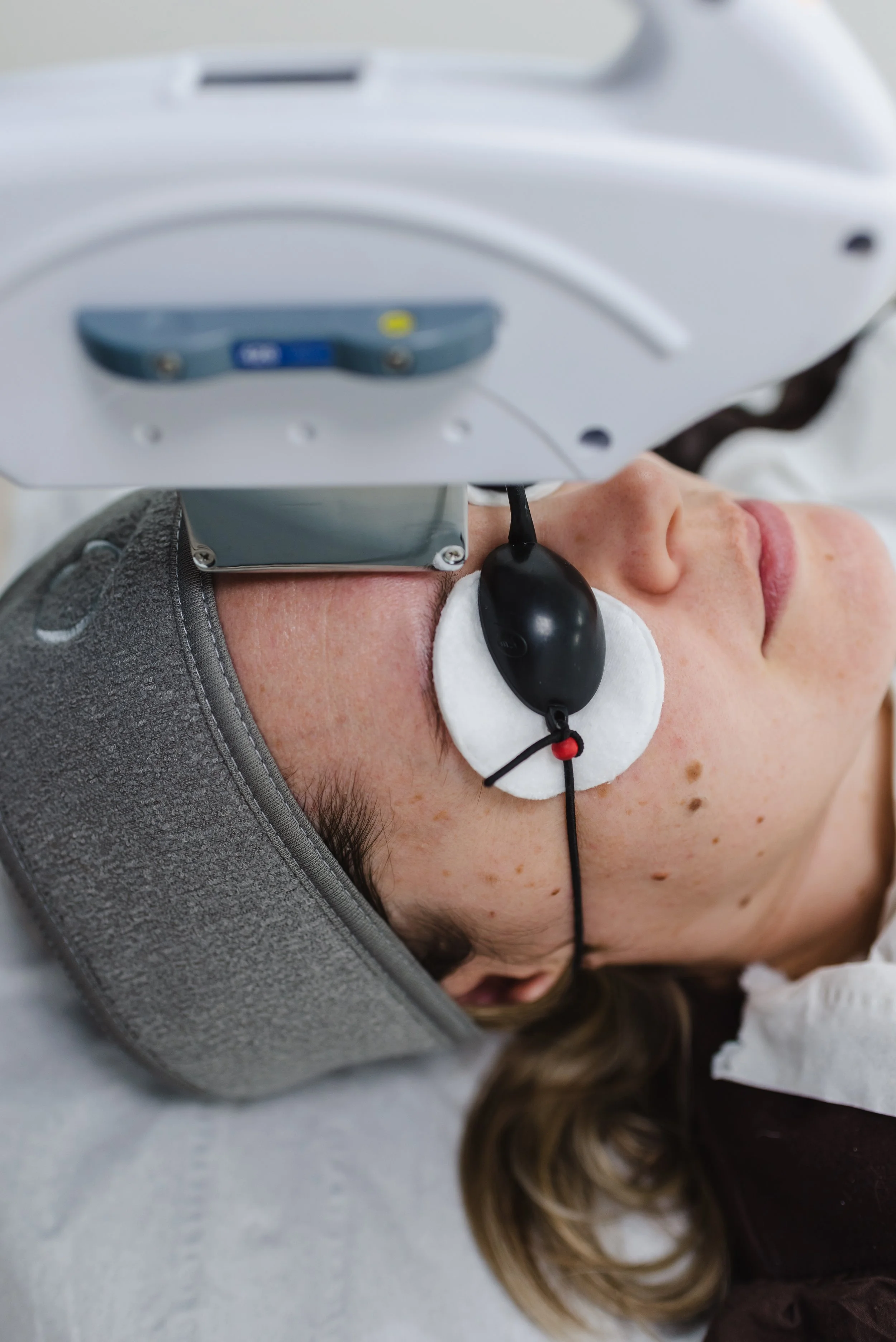
Pigmentation
Supporting Brighter, More Even and Confident Skin
Pigmentation concerns are extremely common and can affect individuals of all ages and skin types. Uneven skin tone, dark patches and sun damage can leave the complexion looking dull, uneven and prematurely aged, often impacting confidence and how people feel about their skin.
At The Qlinic, we understand that pigmentation can sometimes feel frustrating and difficult to manage, particularly when it affects visible areas such as the face, chest and hands. Our approach focuses on improving overall skin health whilst helping to visibly brighten, rebalance and restore a more even skin tone through safe and personalised treatment plans.
Every skin journey is unique, which is why treatments are carefully tailored to your skin type, concerns and long-term skin goals.
What Causes Pigmentation?
A variety of internal and external factors can contribute to pigmentation concerns, including:
Sun exposure and UV damage
Hormonal fluctuations
Ageing
Acne and inflammation
Skin trauma or injury
Certain medications
Genetics
Pregnancy and menopause
Sun exposure is one of the most significant contributing factors, as UV radiation stimulates melanin production within the skin. Over time, repeated sun exposure can lead to uneven pigmentation, sun spots and premature skin ageing.
Treatments for Pigmentation
Depending on your individual skin concerns and pigmentation type, treatments may include:
IPL Skin Pigmentation Treatment
Chemical Peels
Microneedling
Carbon Facial
Treatments may be used individually or combined as part of a bespoke skin rejuvenation programme designed to support healthier, brighter and more even-toned skin.

What is Pigmentation
Pigmentation refers to areas of skin that appear darker than the surrounding skin due to excess melanin production. Melanin is the natural pigment responsible for the colour of our skin, hair and eyes.
When melanin production becomes uneven or overactive, areas of discolouration can develop within the skin.
Common forms of pigmentation include:
Sun damage and sun spots
Age spots
Freckles
Post-inflammatory pigmentation
Hormonal pigmentation
Uneven skin tone
Pigmentation following acne or skin trauma
Pigmentation may vary in depth, severity and appearance depending on the underlying cause and individual skin type.
Our Approach to Pigmentation
At The Qlinic, we take a holistic and professional approach to treating pigmentation concerns.
Following a comprehensive consultation, we assess your skin type, pigmentation depth and contributing factors before creating a personalised treatment plan tailored specifically to your needs.
Our treatments focus on:
Brightening uneven skin tone
Reducing visible pigmentation
Supporting healthy skin renewal
Improving overall skin clarity
Stimulating collagen production
Restoring radiance and skin confidence
Because some forms of pigmentation can worsen if treated incorrectly, professional assessment and tailored treatment selection are essential.